
Is LED-Wall (DOOH) Advertising Worth It for Local Businesses?
This is an honest look at when LED-wall advertising earns its place in a local budget, and when your money belongs elsewhere.
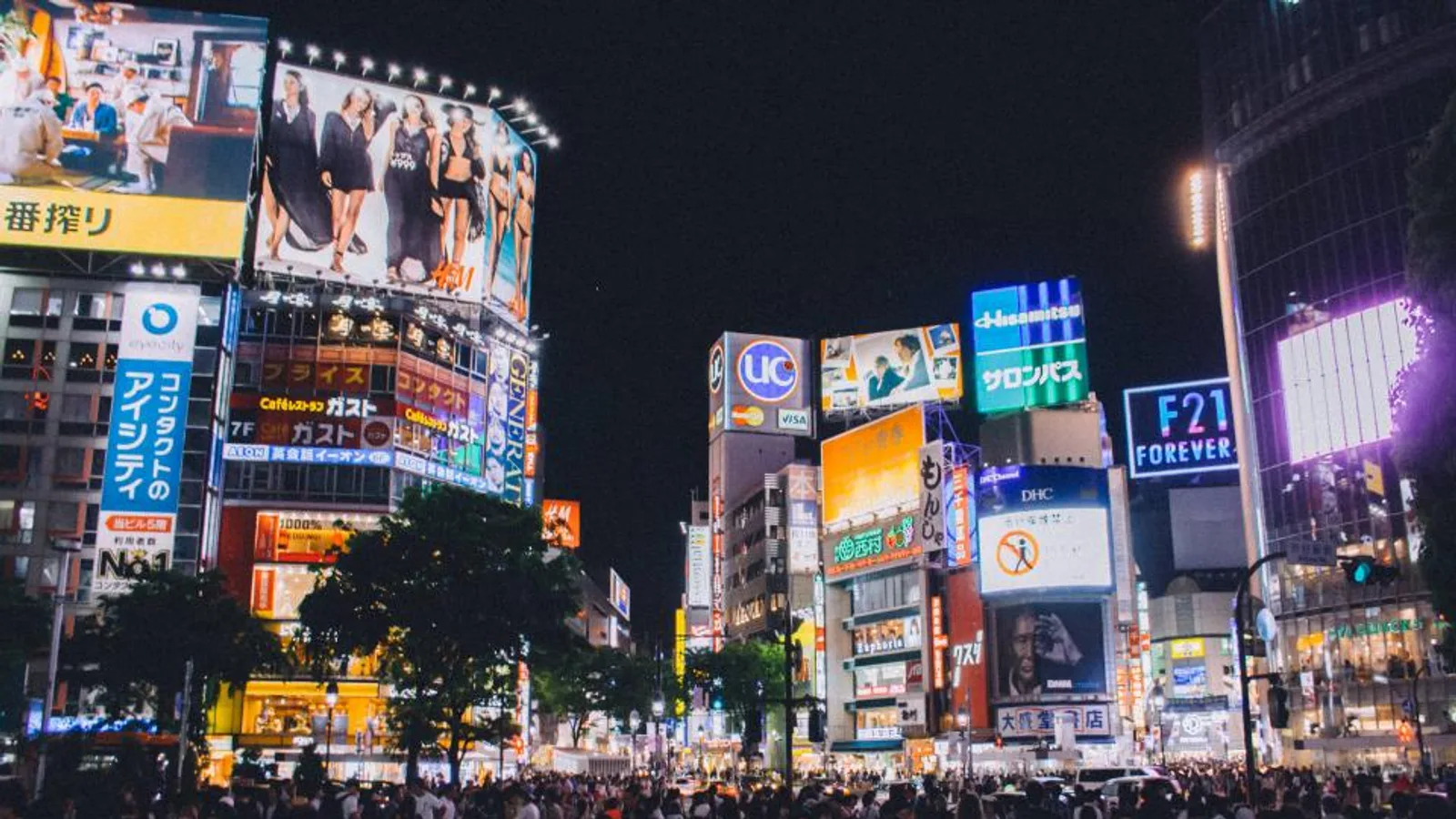
Digital out-of-home advertising, the LED billboards and screens you pass on the street, has a reputation: big, bright, expensive, and impossible to measure. That reputation makes a lot of local businesses assume it’s a channel for national brands only, and keeps their budgets in the same crowded Meta and Google auctions where everyone else is bidding.
That assumption is worth testing. When Agora launched an LED-wall (DOOH) advertising offering, it took bookings in its first month across six different verticals, food, music, pharmacy, beauty, printing, and influencers. The spread is the interesting part. Those six businesses share almost no customer profile or product, yet each found a reason to buy space on the same screen. That tells you something useful about the kind of business DOOH actually fits.
This is an honest look at when LED-wall advertising earns its place in a local budget, and when your money belongs elsewhere.
What DOOH Is, and How It’s Different from a Billboard
A traditional billboard is a static print poster you rent for a month. Digital out-of-home is a screen, an LED wall, that runs digital creative, often rotating between several advertisers throughout the day.
That digital format changes the economics in ways that matter for a smaller business:
- You can share the screen. Because the wall rotates ads, you’re not buying the whole month outright; you’re buying slots in the rotation. That brings a premium-looking placement within reach of budgets that could never afford a dedicated billboard.
- You can change the creative. A restaurant can run a lunch message at midday and a dinner message in the evening. A static billboard can’t do that.
- You can start and stop. Digital placements can be booked for shorter, defined runs rather than long print contracts.
What it shares with traditional out-of-home is the core strength: it’s hard to skip, hard to block, and physically rooted in a place. There’s no ad blocker for a screen on a busy street, and no “skip” button, the format gets attention by occupying the environment rather than competing inside a feed.
Why Such Different Businesses Bought In
The useful signal from the launch is the variety of buyers. Rather than guess at the private motives of unnamed advertisers, it’s more honest to say what the format plausibly offers each kind of business, why a screen like this could fit very different goals:
- Food can use proximity: a screen on a busy street puts the message in front of nearby, hungry people in the moment they’re deciding where to eat.
- Music and events often need a burst of broad local awareness in a short window before a fixed date, exactly what a high-traffic screen can deliver.
- A pharmacy may value constant, trusted visibility to everyone who passes, a broad, repeated presence rather than a one-time hit.
- Beauty is visual by nature, and a bright, large-format screen can show a product better than a small in-feed image.
- Printing, a B2B service, still relies on local discovery and credibility; being seen on a prominent wall is a signal of being established.
- Influencers trade on visibility itself; physical presence can signal that they’re a real local figure, not only an online handle.
These are hypotheses about fit, not measured conclusions about each buyer. But they point to one shared thread: none of these businesses was chasing the same customer, yet all of them needed broad, local awareness, the “everyone around here should know we exist” job that conversion-focused online ads are poorly suited to. DOOH is, first and foremost, a demand-creation channel. It earns its budget when broad local awareness is the thing you actually need.
The Honest Case Against It
DOOH is not a fit for everyone, and pretending otherwise is how local businesses waste money. It’s probably not worth it if:
- You need to track a direct conversion from the ad. Out-of-home influence is real but hard to attribute precisely. If your only acceptable metric is a trackable click-to-sale, this will frustrate you.
- Your customer isn’t local, or isn’t passing the screen. The entire value is location. If you sell nationally online, that street-level audience is mostly waste.
- Your offer needs explanation. A screen gets a few seconds of glance attention. Complex or considered purchases that require detail aren’t suited to it.
- You have no other marketing in place. DOOH creates awareness; it rarely closes the sale by itself. With nothing downstream to convert the interest it generates, that awareness dissipates.
DOOH vs. Paid Social for a Local Business
| LED-Wall / DOOH | Paid Social (Meta, etc.) | |
|---|---|---|
| Primary strength | Broad local awareness, credibility | Targeted, trackable response |
| Attribution | Indirect, harder to measure | Direct, click-level |
| Audience control | Everyone passing the location | Granular targeting |
| Format | Large, glanceable, hard to block | Small, scrollable, skippable |
| Best job | Demand creation | Demand capture |
| Risk | Hard to prove direct ROI | Audience fatigue, rising costs |
This isn’t an either/or. The businesses that get the most from out-of-home usually run it alongside response channels, the screen builds familiarity, and the trackable channels convert the demand that familiarity creates. The working theory is that a local name people have already seen on a prominent wall is more likely to convert when it later shows up in their feed or search results; treat that as the intended mechanism to test, not a guaranteed result.
How to Measure Something This Indirect
The “you can’t measure it” objection is half true: you can’t get a clean click-to-sale, but you can still gather signal. Before booking, decide which of these you’ll watch:
- Branded search lift. Track searches for your business name before, during, and after the run. A rise during the campaign is one of the cleaner proxies for awareness working.
- Direct and walk-in traffic. Watch direct website visits and, for a storefront, foot traffic over the same window.
- A “how did you hear about us?” prompt. Ask at the point of sale. It’s imperfect and under-reports, but it’s directional.
- A placement-specific code or URL. A short, memorable promo code or vanity URL shown only on the screen gives you something countable.
None of these is airtight. Together they tell you whether the awareness is translating into the behavior you care about, which is enough to decide whether to book again.
How to Decide for Your Business
Run yourself through three questions before booking anything:
- Is my goal awareness or response? If you need broad local recognition, DOOH is a candidate. If you need a measurable sale this week, start with response channels.
- Will my actual customers pass this screen? Be specific about the location and its traffic patterns. The audience is whoever is physically there, no targeting will save a bad location.
- Do I have a way to catch the demand? Make sure something, your storefront, your social presence, your search listing, is ready to convert the people who notice you.
If you answer “awareness,” “yes,” and “yes,” LED-wall advertising can absolutely be worth it for a local business; the range of businesses that booked it in that first month is a sign the format earns its place across very different needs. If you answer otherwise, keep your budget in the channels built for what you actually need, and revisit DOOH when broad local presence is the problem you’re trying to solve.
Keep reading
All articles
Creative Testing: DOOH Lessons Across 6 Verticals
When testing creative across multiple verticals, the channel's constraints matter more than the message's specifics.

Launch New Paid Advertising Channel: A Framework
Discover a proven framework to launch new paid advertising channels as structured experiments, reducing risk and accelerating growth.

Digital Advertising Myths That Are Holding Your Business Back
Boosting posts, “set-and-forget” SEO, and spending more aren’t strategies. We debunk the most common digital advertising myths, and show what actually works.